Introduction
Many international buyers exploring Costa del Sol quickly discover that several new-build developments may appear similar at first glance.
However, differences in location context, planning structure, construction timing and long-term residential positioning can significantly influence which development is the right fit.
This guide explains how buyers typically compare developments across Costa del Sol, Costa Blanca, Alicante, Murcia, and Almería in a structured and informed way.
1. Compare Location Context Before Architecture or Interiors
Location remains the most important comparison factor when evaluating new-build developments.
Buyers normally consider:
- distance to the coastline
- proximity to town centres
- access to airports
- surrounding density levels
- nearby infrastructure
- long-term neighbourhood planning
Across Costa del Sol:
Marbella offers established international infrastructure
Estepona combines walkability with expanding residential areas
Casares and Sotogrande provide lower-density golf environments
Benahavís offers hillside privacy close to the coast
Understanding location context helps narrow the shortlist early.
2. Evaluate the Development’s Planning Structure
Not all developments follow the same planning model.
Buyers typically compare:
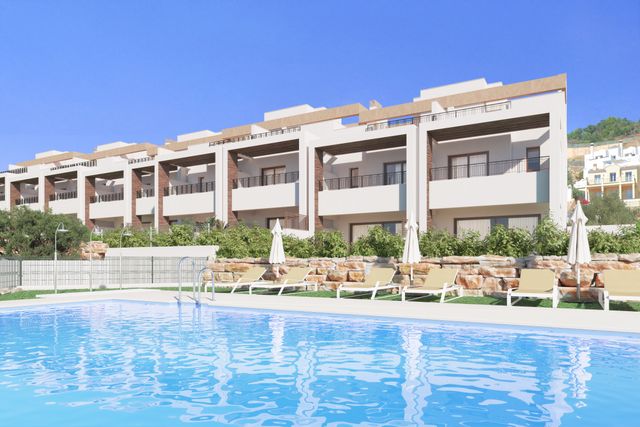
- number of units in the community
- building height distribution
- orientation planning
- open-space ratios
- community layout design
- internal circulation structure
Lower-density layouts often support stronger long-term residential comfort.
3. Review Construction Stage and Delivery Timeline
Construction timing influences both lifestyle planning and financial structure.
Buyers normally check:
- licence approval status
- construction start date
- estimated completion window
- staged payment schedule
- developer delivery history
Across Costa del Sol, delivery timing can vary between completed homes, mid-construction developments and early-launch phases.
4. Compare Orientation and Natural Light Conditions
Orientation significantly affects everyday residential experience.
Key comparison factors include:
- morning vs afternoon light exposure
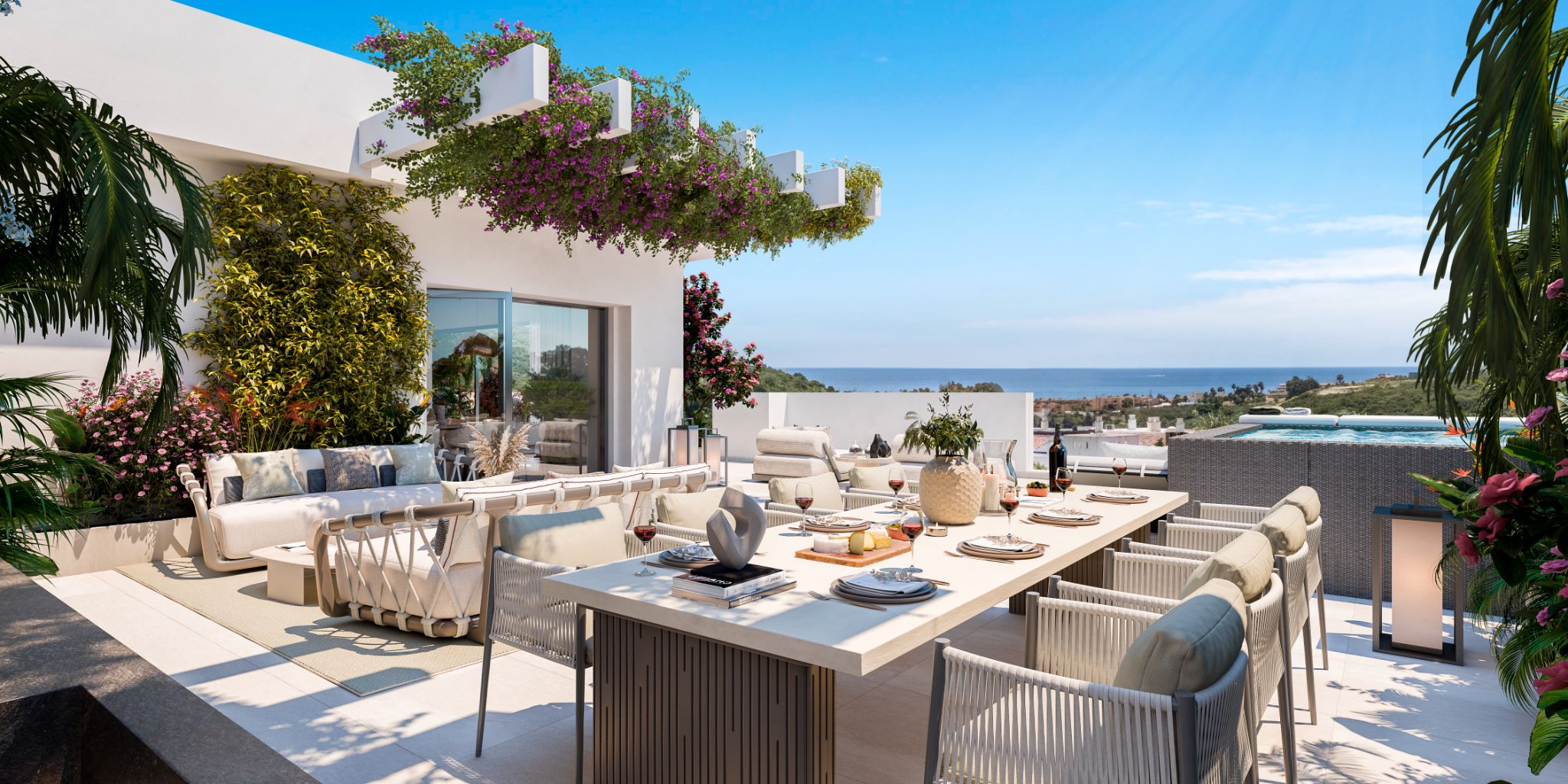
- sea-view alignment
- golf-course positioning
- terrace usability
- summer shade patterns
Early comparison of orientation helps identify the most suitable units within each development.
5. Assess Build Quality and Specification Levels
Specification packages vary between developers and projects.
Buyers typically review:
- façade materials
- glazing performance
- energy efficiency rating
- kitchen integration level
- climate control systems
- acoustic insulation
These factors influence both comfort and long-term maintenance expectations.
6. Understand Community Features and Shared Spaces
Community planning plays an important role in residential experience.
Comparison points often include:
- pool design and positioning
- landscaped areas
- walking routes inside the development
- gym and wellness facilities
- coworking or social areas
- parking structure design
Well-planned shared spaces contribute to long-term usability rather than short-term marketing appeal.
7. Review Long-Term Surrounding Development Plans
Neighbourhood evolution can influence property suitability over time.
Buyers often investigate:
- nearby future developments
- infrastructure upgrades
- road improvements
- commercial expansion zones
- protected land areas
Understanding future surroundings helps place each development within a wider planning context.
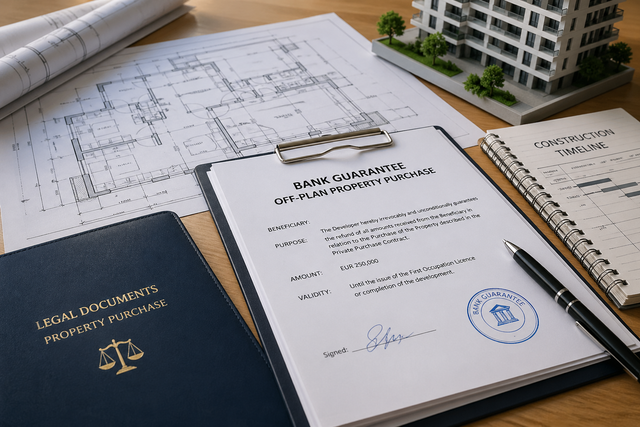
8. Compare Payment Structure and Purchase Security
Financial structure differs between developments.
Typical comparison points include:
- reservation structure
- staged payments
- developer bank guarantees
- completion timing
- mortgage alignment options
Structured payment timelines often support clearer planning during construction phases.
9. Match the Development With Your Intended Use
Different developments suit different ownership patterns.
Buyers normally clarify whether the property will be used as:
- a primary residence
- a second home
- a seasonal base
- a relocation property
- a long-term lifestyle investment
Matching usage expectations with development structure improves decision quality.
10. Working With a Buyer-Side Advisor When Comparing Developments
Many buyers begin their search through listing portals.
However, comparing developments effectively usually involves evaluating:
- location suitability
- planning structure
- delivery timing
- construction quality
- surrounding environment
A structured advisory approach helps connect these factors into a clearer shortlist.
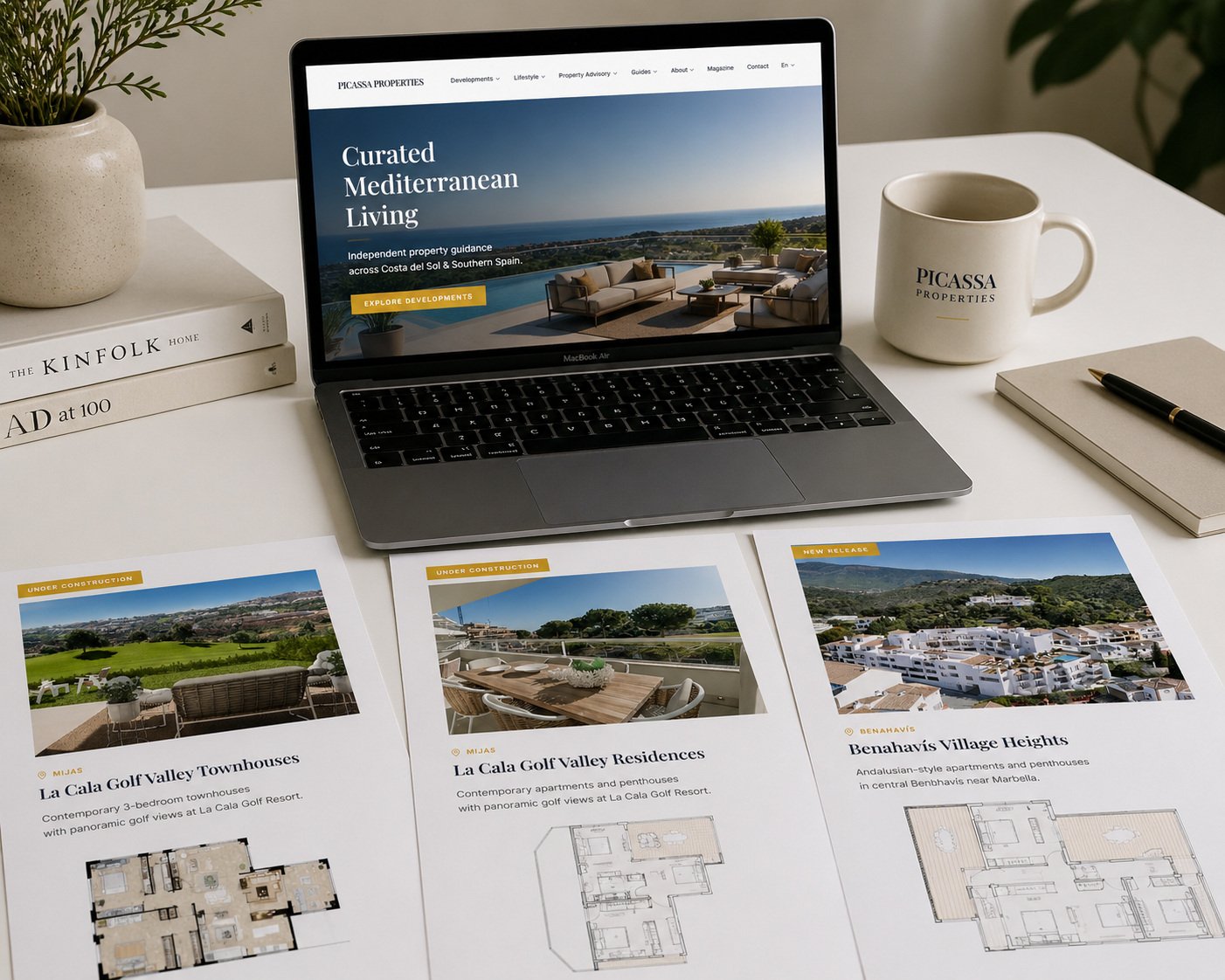
Picassa Properties supports buyers across Costa del Sol and Southern Spain by helping connect development research with carefully selected projects aligned with long-term residential priorities.